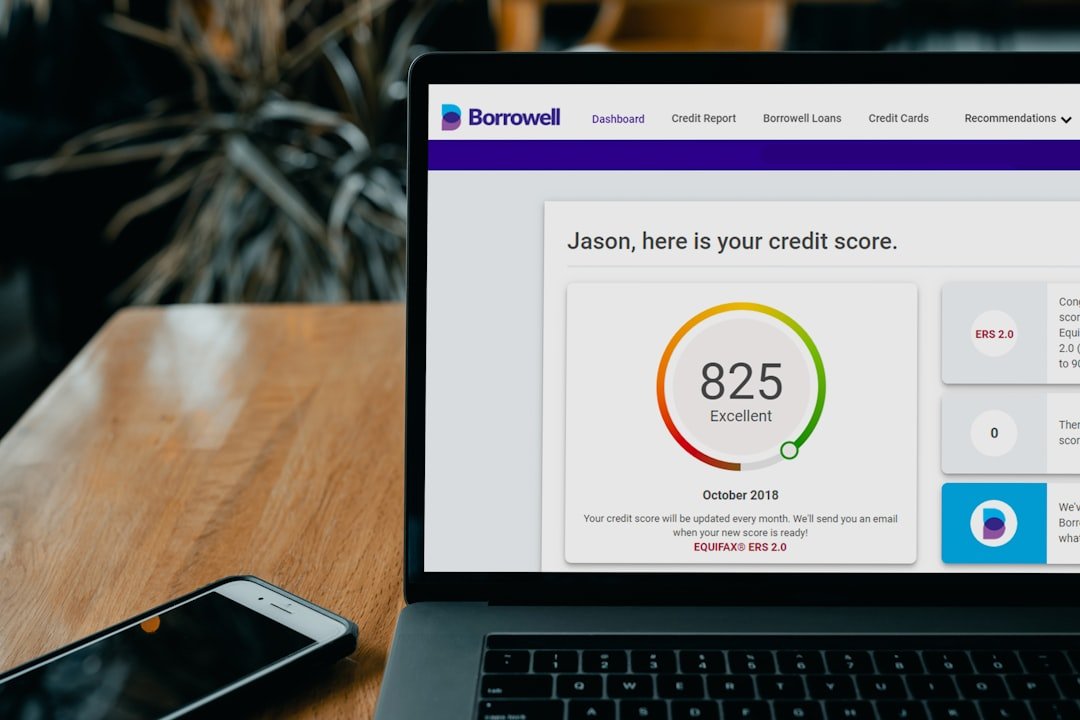

Quick answer: Your credit score can drop 5 to 20 points after you pay off a loan because the closed account reduces your credit mix and may lower your average account age. The effect is temporary and rarely outweighs the long-term benefit of being debt-free.
Key Takeaways
- FICO scores weigh credit mix at 10 percent, so losing an installment loan removes diversity from your credit file.
- Average account age factors into your length of credit history, which makes up 15 percent of your FICO score.
- A temporary score dip after payoff does not mean you made a mistake; lenders see paid-in-full status as positive.
- Your score typically recovers within 30 to 90 days as your payment history and utilization remain strong.
💳 How does credit mix affect your FICO score?
FICO scoring models allocate 10 percent of your score to credit mix, which means the variety of account types you manage. The Fair Isaac Corporation divides accounts into revolving credit (credit cards, lines of credit) and installment credit (personal loans, auto loans, mortgages). When you carry both types, the algorithm interprets that as evidence you can handle different repayment structures.
Paying off your only installment loan leaves you with revolving accounts alone. FICO then recalculates your score without the installment component. The 10 percent credit-mix weight shifts entirely to your remaining card activity, and the loss of diversity can pull your score down by a few points to a few dozen points depending on the rest of your profile.
The effect is most pronounced if you have a thin credit file with fewer than five total accounts. Borrowers with mortgages, auto loans, and multiple credit cards typically see smaller drops because they still maintain a mix even after one loan closes.
📊 Why does average account age matter?
Your length of credit history contributes 15 percent to your FICO score. FICO calculates this metric using the age of your oldest account, the age of your newest account, and the average age of all open accounts. When you pay off and close an installment loan, that account eventually falls off the active calculation (though closed accounts in good standing remain on your report for up to 10 years under the Fair Credit Reporting Act 15 U.S.C. section 1681c).
If the closed loan was one of your older accounts, removing it from the active average can lower your score. For example, a borrower with a five-year personal loan and two credit cards opened within the past year will see the average age drop when the loan closes, even though the payment history remains visible.
VantageScore models handle closed accounts differently and may continue counting them in average age for longer. Check which scoring model your lender uses; most mortgage and auto lenders rely on FICO 8 or FICO 9.
⚠️ What triggers the biggest score drops after payoff?
Three scenarios produce larger-than-average dips when you close an installment loan:
- You paid off your only installment account and now hold only revolving credit.
- The loan you closed was your oldest active tradeline by several years.
- You have fewer than four other accounts reporting, so each change carries more weight in the algorithm.
- You recently opened new credit cards or applied for other loans, adding hard inquiries and lowering your average age further.
The Consumer Financial Protection Bureau does not regulate how credit bureaus calculate scores, but the agency does enforce accuracy under the Fair Credit Reporting Act. If you believe the payoff was reported incorrectly (for example, showing a balance or late payment after you paid in full), dispute the error with the bureau in writing within 30 days of discovering it.
🔍 How long does the score drop last?
Most borrowers recover the lost points within 30 to 90 days if they continue making on-time payments and keep credit card balances below 30 percent of their limits. FICO recalculates your score each time a lender pulls your report, so the next update reflects your current utilization, payment history, and any new positive data.
The closed loan remains on your credit report for up to 10 years as a positive tradeline. Lenders reviewing your full report see the account was paid as agreed, which strengthens your application even if your numeric score dipped temporarily. Payment history accounts for 35 percent of your FICO score, and a perfect record on a closed loan supports that category long after the account stops being “active.”
If your score has not rebounded after three months, review your credit report for errors or new negative marks. You are entitled to one free report per year from each of the three major bureaus (Equifax, Experian, TransUnion) under the Fair Credit Reporting Act.
📝 Should you avoid paying off loans early to protect your score?
No. Carrying debt solely to preserve a higher credit score costs you interest and increases financial risk. The long-term benefit of eliminating monthly payments and saving on interest outweighs a temporary score dip in nearly every scenario.
Lenders evaluate more than your three-digit score. They review debt-to-income ratio, employment history, and the specific accounts on your report. A borrower with a 720 score and zero debt often qualifies for better terms than a borrower with a 750 score and high monthly obligations. Use tools like the loan calculator to compare the total interest cost of keeping a loan open versus paying it off today.
If you are weeks away from applying for a mortgage or auto loan, you may choose to delay payoff until after the application closes. Mortgage underwriters prefer to see stable accounts during the approval window. Outside that narrow exception, pay off high-interest debt as soon as you can afford to do so.
| FICO Factor | Weight | Impact of Loan Payoff |
|---|---|---|
| Payment History | 35% | Positive (closed account shows paid as agreed) |
| Amounts Owed | 30% | Positive (total debt decreases) |
| Length of Credit History | 15% | Negative if loan was old |
| Credit Mix | 10% | Negative if it was your only installment loan |
| New Credit | 10% | Neutral |
❓ Frequently Asked Questions
Will paying off a personal loan hurt my credit score?
Paying off a loan can lower your score by 5 to 20 points temporarily due to reduced credit mix and average account age, but the effect fades within 30 to 90 days.
How long does a closed loan stay on my credit report?
A loan closed in good standing remains on your credit report for up to 10 years under the Fair Credit Reporting Act 15 U.S.C. section 1681c.
Can I rebuild credit mix after paying off my only installment loan?
Yes. You can open a credit-builder loan, finance a small purchase, or wait until you need a mortgage or auto loan to restore installment diversity.
Do all credit scoring models penalize loan payoffs?
FICO models may lower your score slightly; VantageScore models treat closed accounts differently and may not penalize payoff as heavily.
✅ The Bottom Line
A temporary score drop after paying off a loan is normal and does not erase the value of eliminating debt. FICO recalculates your score each time a lender checks your report, and consistent on-time payments on your remaining accounts will restore the lost points within a few months. Lenders also review your full credit report and debt-to-income ratio, both of which improve when you close a paid-off loan.
If you want to monitor how your score changes over time, track it monthly through your bank or credit card issuer. For more on how different factors shape your score, visit the BankMinistry glossary and review your free annual reports from the three major bureaus.
BankMinistry is not a lender. Approval, rates, and terms determined by lending partners. Not financial advice.