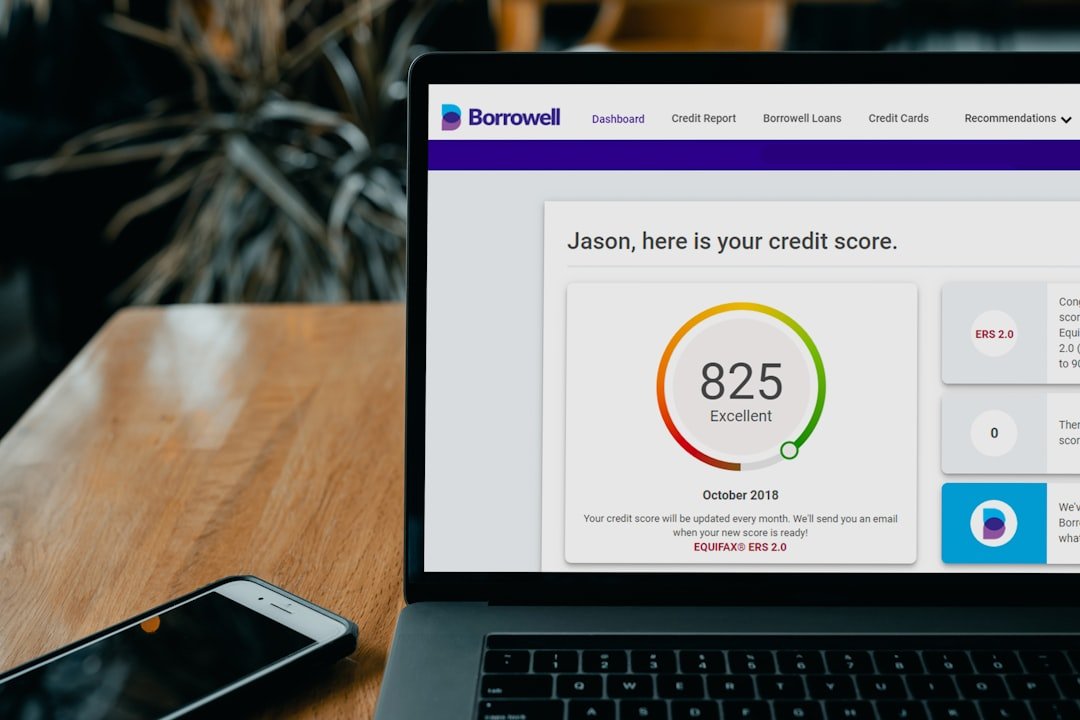

Quick answer: Your credit score updates whenever a creditor reports new account information to Equifax, Experian, or TransUnion—usually every 30 to 45 days. Because lenders report on different schedules, your score can change multiple times per month.
Key Takeaways
- Most creditors report account activity to credit bureaus once per month, typically near your statement closing date.
- Each of the three major bureaus (Equifax, Experian, TransUnion) updates your file independently when it receives new data.
- Your score recalculates each time a bureau pulls your report, so the same file can produce different scores on different days.
- The Fair Credit Reporting Act (15 U.S.C. § 1681) requires bureaus to investigate disputes within 30 days, which can trigger a score update.
💳 How often do creditors send data to the bureaus?
The three major credit bureaus do not set reporting deadlines. Each lender chooses its own schedule. Most credit card issuers, auto lenders, and mortgage servicers send account updates once per month. Many report within a few days of your statement closing date, not your payment due date.
For example, if your credit card statement closes on the 15th, the issuer might report your balance and payment status to all three bureaus between the 16th and 20th. A payment you make on the 25th will not appear on your credit file until the next reporting cycle, usually 30 days later.
Some creditors report mid-month, others at month-end. A few report every two weeks. The Fair Credit Reporting Act does not mandate a specific frequency, so variation is normal. If you want to know when a particular account reports, call the creditor and ask for the reporting date.
📊 Do all three bureaus update at the same time?
No. Equifax, Experian, and TransUnion operate separate databases. When a lender reports, it may send the data to all three bureaus on the same day, or it may stagger submissions. Some smaller creditors report to only one or two bureaus to save costs.
Because each bureau updates independently, your three credit reports can show different information on the same day. One bureau might reflect a paid-off account while another still shows the old balance. This is why your FICO score from Equifax can differ from your FICO score from Experian even when both use the same scoring model version.
If you are monitoring your score through a free service that pulls from one bureau, remember that lenders often check a different bureau. The score you see is a snapshot of one file at one moment.
⚠️ What triggers an immediate score change?
Your credit score recalculates every time someone pulls your report, but the underlying data must change for the number to move. New information triggers a recalculation. Common events include:
- A creditor reports a new balance or payment
- A hard inquiry appears (when you apply for credit)
- A collection account is added or removed
- A dispute resolution updates an account status
- A public record such as a bankruptcy or tax lien is filed or released
If no new data arrives, your score will stay the same even if you check it daily. The FICO and VantageScore algorithms process whatever information sits in your file at the moment of the inquiry. Checking your own score (a soft inquiry) does not change the score itself.
🔍 How can you track when your score updates?
Free credit monitoring services from Experian, Equifax, Credit Karma, and Credit Sesame send alerts when new information hits your file. These tools typically refresh your score once per week or once per month, depending on the service. You can also request a free credit report from each bureau once per year at AnnualCreditReport.com, as required by the Fair and Accurate Credit Transactions Act.
If you want real-time visibility, some paid services offer daily score tracking and change notifications. Banks and credit card issuers often provide free monthly FICO scores to cardholders. Compare the date on the score disclosure to your statement closing date to see the reporting lag.
When disputing an error under the Fair Credit Reporting Act (15 U.S.C. § 1681i), the bureau must investigate and respond within 30 days. If the disputed item is corrected or removed, your score will update as soon as the bureau processes the change. You can request a free copy of your updated report after the investigation closes.
📈 Does paying off a loan update your score faster?
| Action | Typical Reporting Lag | Score Impact Timing |
|---|---|---|
| Pay down credit card balance | Next statement cycle (30 days) | Updates when new balance reports |
| Pay off installment loan | 10 to 30 days | Updates when lender reports zero balance |
| Settle collection account | 30 to 60 days | Updates when collector reports settlement |
| Dispute an error | 30 days (FCRA deadline) | Updates when bureau completes investigation |
Paying off a loan does not instantly update your credit file. The lender must first process the payoff, close the account internally, and transmit the final status to the bureaus. This can take 10 to 30 days. Some lenders report only once per month, so if you pay off a loan the day after their reporting cycle, you may wait nearly 60 days to see the update.
Credit card issuers report your balance as of the statement closing date, not your payment due date. If you want a lower utilization ratio to appear on your credit report, pay down the balance before the statement closes. A payment made after the statement prints will show up in the next cycle.
❓ Frequently Asked Questions
Can I force my credit score to update faster?
No. The bureaus update your file only when creditors send new data. You cannot manually refresh your score, but you can ask a creditor to report sooner if it has not yet sent your recent payment information.
Why did my score drop even though I made all payments on time?
A score can drop if your credit card balance increased, a new hard inquiry appeared, or the average age of your accounts decreased when you opened a new card. Payment history is only one of five factors in the FICO model.
Do credit scores update on weekends?
Bureaus process incoming data seven days a week, but most creditors batch and transmit reports on business days. Updates can technically appear any day, though Monday through Friday is more common.
How long does a closed account stay on my credit report?
A closed account in good standing remains on your report for up to 10 years from the date of last activity. Closed accounts with late payments can stay for seven years under the Fair Credit Reporting Act (15 U.S.C. § 1681c).
✅ The Bottom Line
Your credit score updates whenever a creditor reports new account information to Equifax, Experian, or TransUnion. Most lenders report monthly, often near your statement closing date. Because each bureau updates independently and lenders report on different schedules, your score can change multiple times per month.
To see the effect of a payment or payoff, wait 30 to 45 days for the next reporting cycle. Use free credit monitoring tools to track when new data arrives, and check all three bureaus if you are preparing for a major loan application. For more on how credit factors affect loan eligibility, visit our personal loans overview.
BankMinistry is not a lender. Approval, rates, and terms determined by lending partners. Not financial advice.