
Quick answer: About 90 percent of top U.S. lenders use FICO scores when deciding whether to approve credit, according to FICO’s own public disclosures. VantageScore is used primarily by credit monitoring services and some fintech lenders, but most banks and credit unions still rely on FICO models.
Key Takeaways
- FICO has been the industry standard since 1989 and powers most mortgage, auto, and personal loan decisions.
- VantageScore was created in 2006 by the three credit bureaus (Equifax, Experian, TransUnion) as an alternative scoring model.
- Both models use a 300 to 850 scale, but they weigh payment history, credit utilization, and account age differently.
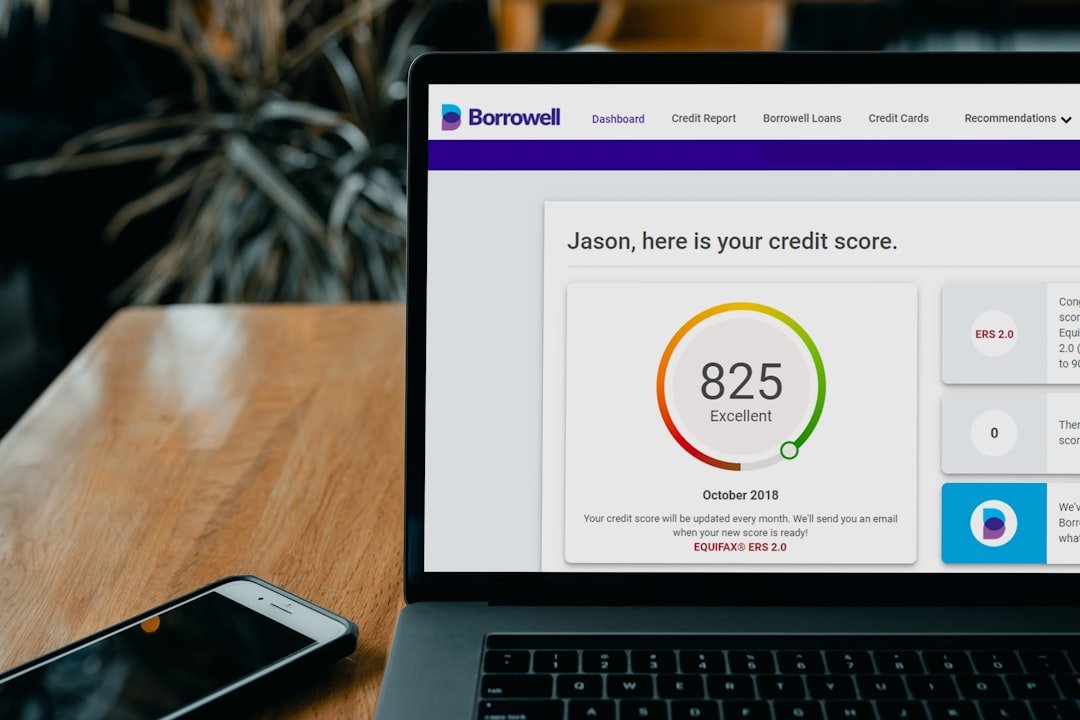
- Free credit scores you see online (Credit Karma, free bank apps) often show VantageScore, not the FICO version your lender will pull.
💳 Why do two major credit scoring models exist?
FICO launched in 1989 and became the default because it sold scoring software directly to lenders. The three national credit bureaus (Equifax, Experian, TransUnion) each paid licensing fees to use FICO’s formulas. In 2006, those same bureaus formed a joint venture and released VantageScore to compete with FICO and reduce their dependence on a single vendor.
Both systems pull data from your credit reports, but each applies its own formula. FICO has multiple versions tailored to specific loan types (FICO Auto Score, FICO Bankcard Score, FICO Mortgage Score). VantageScore uses a single formula across all credit products. Neither the Fair Credit Reporting Act (15 U.S.C. § 1681) nor the Equal Credit Opportunity Act (15 U.S.C. § 1691) mandates which model lenders must use.
The Federal Trade Commission does not regulate scoring formulas themselves. It enforces accuracy of the underlying credit reports under the Fair Credit Reporting Act. That means lenders can choose any scoring model they want, as long as they do not discriminate based on race, religion, national origin, sex, marital status, age, or use of public assistance.
📊 Which score do mortgage, auto, and personal loan lenders check?
Mortgage lenders almost always use FICO. Fannie Mae and Freddie Mac, the government-sponsored enterprises that buy most U.S. home loans, require specific FICO versions (FICO 2, FICO 4, FICO 5) pulled from all three bureaus. The Federal Housing Administration (FHA) and Department of Veterans Affairs (VA) also accept FICO scores for insured loans.
Auto lenders typically pull FICO Auto Score 8 or FICO Auto Score 9. Personal loan lenders vary more: large banks and credit unions usually check FICO 8 or FICO 9, while some online lenders and fintech platforms use VantageScore 3.0 or 4.0. You can see a breakdown of scoring model adoption on the BankMinistry glossary page under “credit scoring models.”
| Loan Type | Most Common Model | Typical Range Used |
|---|---|---|
| Mortgage | FICO 2, 4, 5 | 620+ for conventional |
| Auto Loan | FICO Auto 8 or 9 | 660+ for prime rates |
| Personal Loan | FICO 8 or 9 | 580+ for approval, 670+ for better terms |
| Credit Card | FICO Bankcard 8 or 9 | 700+ for premium rewards cards |
🔍 How do FICO and VantageScore calculate your number differently?
Both models weigh five main factors, but the emphasis shifts. FICO gives payment history about 35 percent weight and amounts owed (utilization) about 30 percent. Length of credit history counts for 15 percent, new credit for 10 percent, and credit mix for 10 percent. VantageScore 4.0 lists payment history as “extremely influential,” utilization and total balances as “highly influential,” and depth of credit (age plus mix) as “moderately influential.”
A practical difference: VantageScore can generate a score with just one month of credit history and one account reported in the past 24 months. FICO requires at least six months of history and one account updated in the past six months. That makes VantageScore friendlier to newcomers, but lenders who use FICO will not see a score until you meet FICO’s minimums.
Hard inquiries (when a lender pulls your report for a credit decision) affect both scores. FICO groups multiple inquiries for the same loan type (mortgage, auto) within 14 to 45 days into a single event. VantageScore uses a 14-day window for all credit types. Neither model counts soft inquiries, such as when you check your own score or when a lender pre-qualifies you without your application.
⚠️ Why does the free score you see online differ from what lenders pull?
Most free credit score tools (Credit Karma, NerdWallet, many bank apps) show VantageScore 3.0 because the credit bureaus provide it at no cost to consumers. FICO charges licensing fees, so fewer services display FICO scores for free. Discover and American Express cardholders can see their FICO 8 scores at no charge through account dashboards.
You can buy your FICO scores directly from myFICO.com or request them when you apply for credit. Some lenders provide the score they used in your adverse action notice if you are denied. The Fair Credit Reporting Act (15 U.S.C. § 1681m) requires lenders to tell you which credit bureau and which score they relied on when they turn you down or offer worse terms than advertised.
Score differences of 20 to 50 points between FICO and VantageScore are common, even when both use the same credit report data. If you are borderline for approval, that gap can matter. Before applying for a personal loan, check which model your lender uses and try to see that specific score.
✅ Should you try to improve both scores or focus on one?
The habits that raise one score will raise the other. Pay every bill on time, keep credit card balances below 30 percent of your limit, avoid opening multiple new accounts in a short span, and let old accounts age. Those actions boost both FICO and VantageScore because both formulas reward consistent, low-risk behavior.
If you know which loan you will apply for soon, prioritize the model that lender uses. Mortgage shoppers should focus on FICO because Fannie Mae and Freddie Mac have not approved VantageScore for conventional loans as of 2026. Personal loan applicants can use the BankMinistry loan calculator to estimate payments, then ask potential lenders during pre-qualification which score they will pull.
Monitoring both scores costs money unless you use a mix of free tools. A single late payment will hurt both models, so the most efficient strategy is to automate payments and review your credit reports annually at AnnualCreditReport.com. The Fair Credit Reporting Act entitles you to one free report per bureau every 12 months. That free report does not include a score, but it shows the data both FICO and VantageScore analyze.
❓ Frequently Asked Questions
Can I have a FICO score but no VantageScore?
Yes. FICO requires at least six months of credit history and one account updated in the past six months. VantageScore can generate a score with just one month of history, so most people get a VantageScore first.
Do all three credit bureaus use the same scoring model?
No. Each bureau can apply both FICO and VantageScore formulas to its own data. Your FICO score from Equifax may differ from your FICO score from Experian because the underlying reports contain slightly different information.
Will checking my own credit score lower it?
No. Soft inquiries, including when you check your own score or when a lender pre-qualifies you, do not affect FICO or VantageScore. Only hard inquiries from formal credit applications can lower your score temporarily.
How often do credit scores update?
Scores recalculate whenever your credit report data changes. Most lenders report account activity to the bureaus once a month, so your score can shift monthly. Large changes, such as paying off a loan or missing a payment, appear within 30 to 60 days.
✅ The Bottom Line
FICO remains the dominant model for mortgages, auto loans, and most personal loans, while VantageScore appears more often in free credit monitoring tools and some fintech platforms. Knowing which score your lender will check lets you prepare more accurately and avoid surprises during the application process.
Both models reward the same core habits: on-time payments, low balances, and a long credit history. Focus on those fundamentals, and your scores will rise together. For more help understanding how lenders evaluate your credit, visit the BankMinistry APR calculator to see how your score range affects loan costs.
BankMinistry is not a lender. Approval, rates, and terms determined by lending partners. Not financial advice.