Author: Bankministry Editorial Team
-

Should You Use a Personal Loan to Buy Out a Business Partner?
A personal loan can fund a partner buyout if your business does not qualify for commercial financing. Weigh the personal guarantee risk before you borrow.
-

Business vs Personal Checking: Which Account Do You Need?
Business checking offers tax separation and unlimited transactions, but costs more. Personal checking is simpler and cheaper for individual use.
-

Best Bank Accounts for Freelancers and Gig Workers in 2026
Irregular income from freelancing or gig work requires a bank account built for fluctuating deposits, tax withholding, and business expenses.
-

What Is Rapid Rescore and How Does It Really Work?
Rapid rescore lets mortgage lenders push credit file updates to bureaus in 3-5 business days. Only available through lenders, not direct to consumers.
-

What Is a Thin Credit File and How Do You Fix It?
A thin credit file holds fewer than five tradelines, making it hard to get approved for loans or credit cards. Learn how to build a robust credit history.
-

Debt Settlement vs Debt Consolidation: Which Is Right for You?
Debt settlement tries to reduce what you owe. Debt consolidation combines multiple debts into one payment. Each has different impacts on your credit and wallet.
-

Should You Use a Personal Loan for Home Improvement?
Personal loans can fund kitchen remodels or roof repairs without risking your home as collateral. Compare costs and alternatives before you borrow.
-
What Credit Score Do You Need for a Personal Loan in 2026?
Most lenders set a minimum credit score between 580 and 660 for personal loans. Higher scores unlock better rates and larger loan amounts.
-

Personal Loan vs HELOC: Which Pays for Home Repairs in 2026?
Home equity lines of credit and personal loans both fund renovations, but they work differently. One taps your home’s value; the other does not require collateral.
-
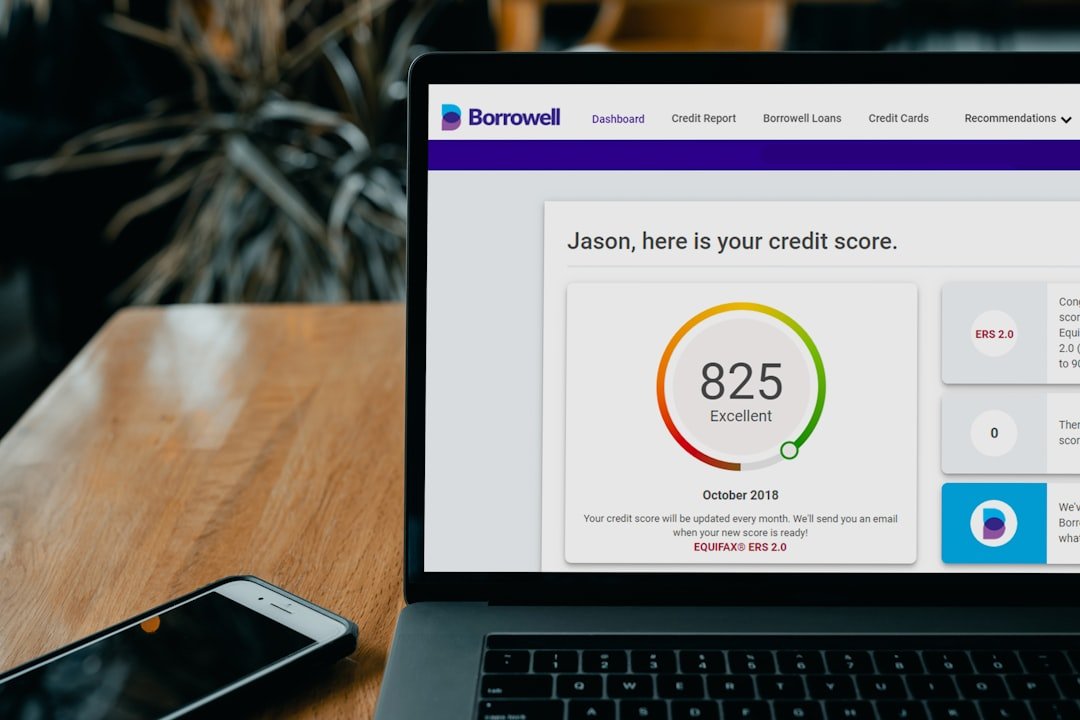
Why Your Credit Score Dropped After Paying Off a Loan
Closing a loan account changes your credit mix and average account age. Both factors affect your FICO score, even when you do the right thing and pay off debt.