Author: Bankministry Editorial Team
-
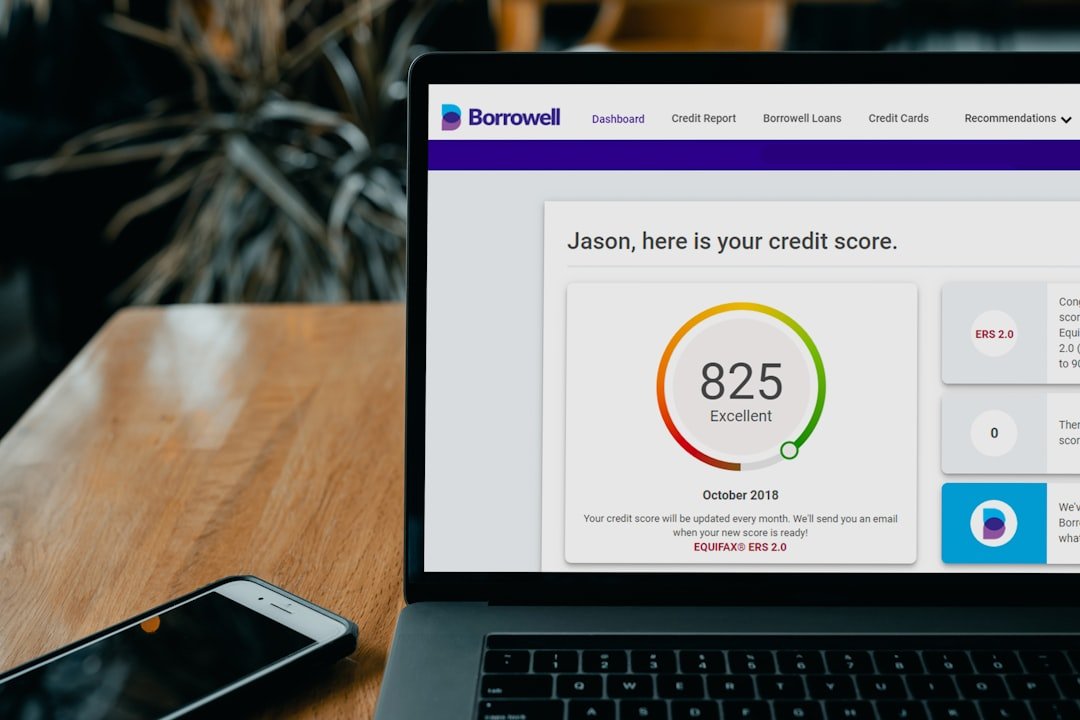
When Does Your Credit Score Update? A 2026 Timeline
Your credit score typically updates every 30 to 45 days when creditors report new data to the three major bureaus. Timing varies by lender reporting schedule.
-
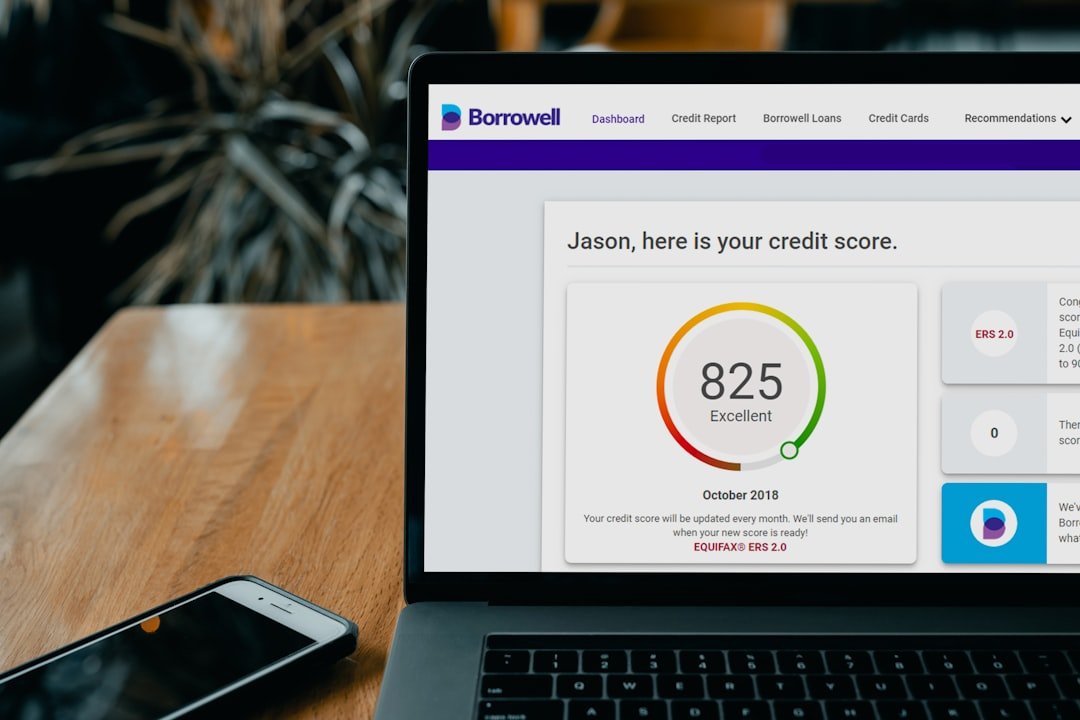
What Credit Score Is Required for a Personal Loan in 2026?
Lenders use FICO scores from 300 to 850 to price personal loans. Higher scores unlock lower rates, while scores below 580 may require subprime lenders.
-

Should You Consolidate Federal and Private Student Loans?
Mixing federal and private student loans into one payment sounds simple, but you lose federal protections. Here is when it works and when it does not.
-

Does Closing a Credit Card Hurt Your Score? 2026 Facts
Closing a card can hurt your credit score by raising utilization and cutting average account age. Understand the exact mechanics before you cancel.
-

Credit Freeze vs Credit Lock: Which Should You Use in 2026?
Credit freezes and credit locks both block new account applications, but they differ in cost, legal protections, and how you lift them. Here is what borrowers need to know.
-

What the Fed’s Latest FOMC Decision Means for Your Savings
The Federal Reserve released a new FOMC statement on July 29, 2026. We explain what it means for savers, CD buyers, and anyone building an emergency fund.
-

What the CFPB Complaint System Fix Means for Borrowers
The CFPB announced major changes to its consumer complaint database in June 2026. Here is what borrowers need to know before filing disputes.
-

Should You Use a Personal Loan for Moving Costs in 2026?
Moving can cost thousands. A personal loan offers fast cash, but rates vary widely. We break down when borrowing fits and when it does not.
-

When Should You Use a Personal Loan vs Other Options?
Personal loans work well for some expenses and terribly for others. We compare APR costs, payoff speed, and better alternatives for common borrowing needs.
-

What the Fed Rate Decision Means for Personal Loan Borrowers
The Federal Reserve announced its latest monetary policy decision on July 29, 2026. Here is how that move affects personal loan rates and what borrowers should do next.