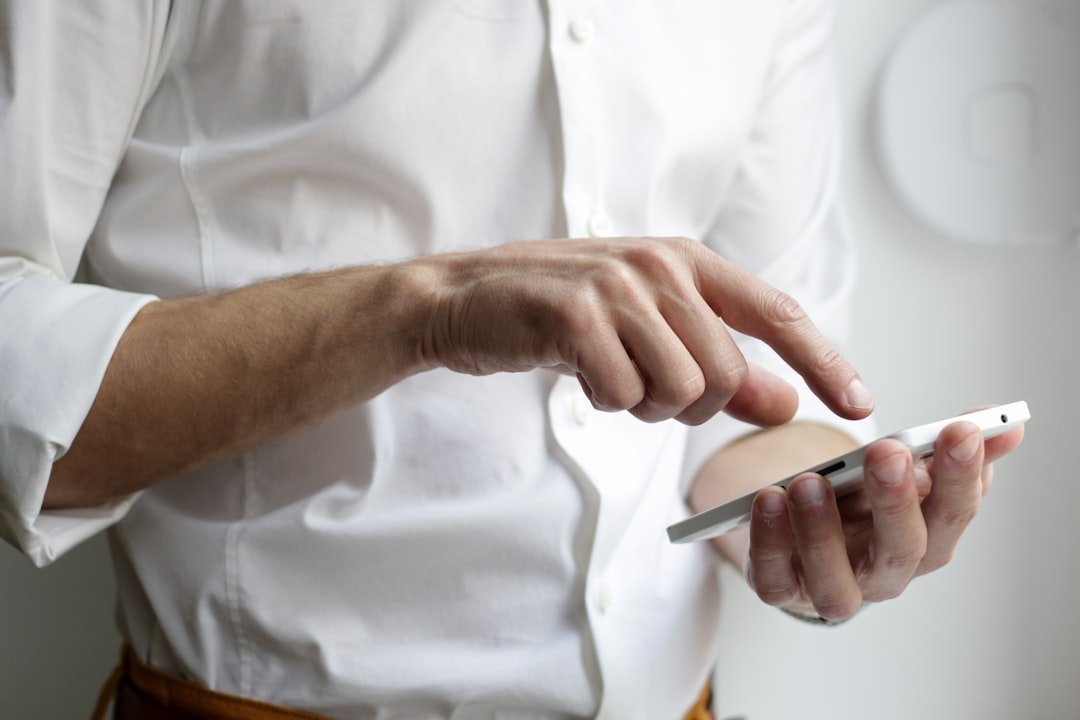

Quick answer: Mobile check deposit lets you photograph the front and back of a paper check with your bank’s app, which transmits the images for processing under the Check 21 Act. Federal Regulation CC governs fund availability, and your deposit agreement determines fraud liability if you deposit a bad check.
Key Takeaways
- The Check Clearing for the 21st Century Act allows banks to process digital check images instead of paper, enabling mobile deposit under 12 U.S.C. § 5001.
- Regulation CC (12 C.F.R. Part 229) requires banks to make the first $225 of a check available the next business day, but holds of 2 to 7 business days are common for the remainder.
- You remain liable if you deposit a fraudulent or altered check, even if a scammer convinced you it was legitimate, per your deposit account agreement.
- Destroying the paper check after your bank confirms acceptance prevents double deposit, which is a federal crime under 18 U.S.C. § 1344 (bank fraud).
💳 How does mobile check deposit work under federal law?
The Check Clearing for the 21st Century Act (Check 21), codified at 12 U.S.C. § 5001, allows banks to create a “substitute check” from a digital image. When you photograph a check in your bank’s app, the image becomes the legal equivalent of the paper original. Your bank converts that image into an electronic file that travels through the same clearing networks physical checks use.
The Federal Reserve processes these image files through its check services, and the paying bank debits the check writer’s account based on the image alone. No courier transports the paper. Your bank’s system applies optical character recognition to read the routing number, account number, and dollar amount from your photo.
Regulation CC (12 C.F.R. § 229.10) governs how quickly your bank must give you access to deposited funds. The first $225 must be available by the next business day for most consumer checks. Banks may place longer holds on amounts above $225, new accounts (open less than 30 days), accounts with repeated overdrafts, or checks the bank has “reasonable cause” to doubt.
📊 What are common hold periods and limits?
Most banks cap mobile deposits at $2,500 to $10,000 per day for consumer accounts. Business accounts often have higher limits. Your bank discloses its specific limit in the mobile app or deposit agreement.
Regulation CC allows banks to place holds for the following periods beyond the mandatory next-day $225 availability:
| Check Type | Maximum Hold (Business Days) |
|---|---|
| Local check (same Federal Reserve district) | 2 |
| Non-local check | 5 |
| New account (under 30 days) | 9 |
| Large deposit (over $5,525 in one day) | 7 for amount above $5,525 |
| Redeposited check (previously returned) | 7 |
Your bank must notify you in writing if it places a hold longer than two business days. The notice must state when funds will be available and the reason for the hold, per 12 C.F.R. § 229.13(g).
⚠️ What happens if you deposit a fraudulent check?
You are responsible for the authenticity of every check you deposit. If the check bounces or the paying bank determines it was forged, altered, or drawn on a closed account, your bank will reverse the deposit and charge a returned-item fee (often $12 to $35).
The Uniform Commercial Code Article 4 (adopted by all states) makes the depositor the first line of liability. Your deposit agreement typically states that you warrant every item you deposit is genuine. Common scams involve a stranger sending you a check for more than an agreed amount and asking you to wire back the difference. The check clears initially, but the paying bank dishonors it days or weeks later after discovering the fraud.
If your account goes negative because of a bad check, the bank may close your account and report you to ChexSystems, a consumer reporting agency under the Fair Credit Reporting Act (15 U.S.C. § 1681). A ChexSystems record can prevent you from opening accounts at other banks for five years unless you dispute and remove the entry.
Deliberately depositing a check you know is fake, or depositing the same check twice, constitutes bank fraud under 18 U.S.C. § 1344. Penalties include fines and up to 30 years in prison. Accidental double deposit is less likely to trigger prosecution, but your bank will reverse one deposit and may charge fees.
🔍 How do you verify a check before mobile deposit?
Before photographing a check, confirm the following details to reduce fraud risk:
- The check has a printed routing number (nine digits at the bottom left) and account number. Hand-drawn or laser-printed checks from blank stock are higher risk.
- The payer’s name, date, payee line, numeric amount, and written amount all match and show no signs of alteration (whiteout, overwriting, mismatched ink).
- The check is payable to you or your business exactly as your name appears on your bank account. Banks reject checks with payee mismatches.
- You know the payer personally or have verified their identity through a trusted channel. Do not deposit checks from online buyers, romance scam contacts, or “employers” you have never met in person.
- The amount matches what you expected. Overpayment is the hallmark of refund scams.
If you have any doubt, deposit the check at a branch or ATM instead of using mobile deposit. Branch staff can escalate suspicious items to the fraud department before crediting your account. You can also call the issuing bank (using a phone number you find independently, not one printed on the check) to verify the account is open and has sufficient funds, though many banks will not confirm this for non-account holders.
For large checks or unfamiliar payers, consider asking for a different payment method. ACH transfers, wire transfers, and payment apps (Zelle, Venmo for goods and services tiers) leave electronic trails that are harder to fake than paper checks. Learn more about ACH vs. wire in our banking glossary.
✅ What should you do with the paper check after mobile deposit?
Your bank’s mobile app will display a confirmation message once it accepts your deposit. That message usually says “deposit submitted” or “pending review.” Wait until the app confirms the deposit is fully accepted, which may take a few minutes to a few hours.
Once accepted, write “Mobile Deposit” and the date on the front of the check, then store it in a secure place for 14 to 30 days. Your deposit agreement specifies the retention period. After that window, shred or otherwise destroy the check. Keeping the paper longer than necessary increases the risk of accidental redeposit.
Never deposit the same check at an ATM, branch, or another mobile app. Federal law treats duplicate deposits as fraud. Banks use image-matching algorithms to catch duplicates, and the paying bank will return the second item even if the first cleared. Both your bank and the paying bank may file Suspicious Activity Reports with the Financial Crimes Enforcement Network (FinCEN) under 31 C.F.R. § 1020.320.
If you lose the paper check before your bank confirms acceptance, contact your bank immediately. They may be able to retrieve the image and reprocess the deposit, or you can request a replacement check from the payer. Do not attempt to deposit the same check again unless your bank instructs you to do so in writing.
❓ Frequently Asked Questions
Can I deposit a check made out to someone else using mobile deposit?
No. Mobile deposit requires the payee name on the check to match the account holder name. To deposit a third-party check, the original payee must endorse it to you (state laws vary on whether banks must accept third-party endorsements), and you typically must deposit it at a branch, not through mobile.
How long does it take for a mobile check deposit to clear?
Regulation CC requires $225 to be available the next business day. The remaining amount clears in 2 to 7 business days depending on check type and your account history. Full clearing (meaning the paying bank has honored the check and cannot reverse it) usually takes 5 to 10 business days.
What happens if I deposit a check and the image is blurry?
Your bank’s app will reject the deposit and prompt you to retake the photo. If the app accepts a blurry image but the check processing system cannot read it, the bank will notify you of the rejection within 24 to 48 hours. You can then redeposit the same check with a clearer image or take it to a branch.
Are mobile check deposits insured by the FDIC?
Yes. Once your bank accepts the mobile deposit and credits your account, those funds are insured up to $250,000 per depositor, per insured bank, per ownership category under FDIC rules (12 C.F.R. Part 330). The method of deposit does not affect insurance coverage.
✅ The Bottom Line
Mobile check deposit offers speed and convenience under the Check 21 Act, but you bear the risk if the check is fraudulent or altered. Regulation CC governs how fast your bank must release funds, and your deposit agreement determines your liability for bad checks. Verify the payer and check details before photographing, and destroy the paper only after your bank confirms acceptance.
For more on how different deposit methods compare, visit our banking glossary to understand ACH, wire transfers, and other electronic payment terms.
BankMinistry is not a lender. Approval, rates, and terms determined by lending partners. Not financial advice.