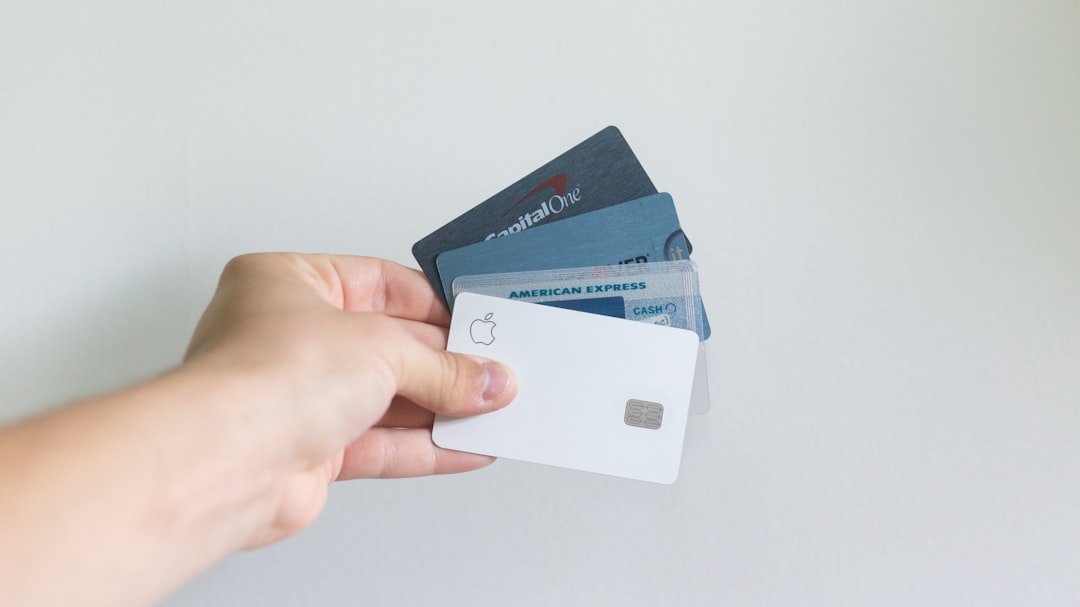

Quick answer: A debt consolidation loan replaces multiple credit card balances with one fixed-rate installment loan. If the loan APR is lower than your card rates, you save on interest and pay off debt faster.
Key Takeaways
- Consolidation loans convert revolving credit card debt into fixed installment payments with a set payoff date
- You must qualify for an APR lower than your current card rates to save money
- Consolidation does not erase debt—you still owe the same principal amount
- Closing old cards after consolidation can hurt your credit utilization ratio
💳 What is credit card debt consolidation with a personal loan?
Debt consolidation means taking out one new loan to pay off multiple existing debts. When you consolidate credit card balances, you apply for a personal installment loan and use the proceeds to pay off your cards in full. You then make one monthly payment to the new lender until the loan is paid off.
The loan has a fixed interest rate and a fixed term, usually two to seven years. Credit cards charge variable APRs and have no set payoff date. A consolidation loan converts open-ended revolving debt into a closed-end installment account with a clear finish line.
Most personal loans are unsecured, meaning you do not pledge collateral. The lender approves you based on credit score, income, and debt-to-income ratio. If approved, the lender either sends funds to your bank account or pays your creditors directly.
📊 When does consolidation save you money?
Consolidation only saves money if your new loan APR is lower than the weighted average APR on your credit cards. The average credit card APR in 2026 ranges from 20 percent to 28 percent for consumers with fair to good credit, according to Federal Reserve data on consumer credit. Personal loan APRs for the same borrowers typically range from 10 percent to 24 percent.
Run the math before you apply. If your cards charge an average of 22 percent and you qualify for a 15 percent loan, you will pay less interest over time. If the loan APR is 20 percent and your cards average 18 percent, consolidation costs you more.
Use a loan calculator to compare total interest paid. Enter your current card balances, APRs, and monthly payments. Then model the same debt under a consolidation loan with the rate and term you expect to receive. The tool shows which path costs less.
| Debt Type | Example Balance | APR | Monthly Payment | Total Interest (36 months) |
|---|---|---|---|---|
| Credit Card A | $5,000 | 24% | $200 | $2,160 |
| Credit Card B | $3,000 | 21% | $120 | $1,140 |
| Consolidation Loan | $8,000 | 14% | $275 | $1,900 |
In this example, consolidation saves $1,400 in interest over three years. Your actual savings depend on the APR you qualify for and how long you take to repay.
⚠️ What are the risks of debt consolidation?
Consolidation does not reduce the amount you owe. If you owe $10,000 across three cards, you will owe $10,000 on the new loan. The benefit is a lower rate and simpler payment structure, not debt forgiveness.
Some borrowers consolidate debt and then run up new balances on the paid-off cards. This doubles your debt load. If you cannot trust yourself to leave the cards at zero, close the accounts or lock them away. Closing cards can hurt your credit utilization ratio in the short term, so weigh that trade-off.
Watch for origination fees. Some lenders charge one percent to eight percent of the loan amount upfront. A five percent fee on a $10,000 loan costs $500, which gets deducted from your proceeds or added to your balance. Factor this cost into your savings calculation.
Personal loans have fixed terms. If you lose income or face an emergency, you cannot skip a payment without penalty. Credit cards let you pay the minimum. A loan does not. Miss a loan payment and the lender reports it to the credit bureaus within 30 days, per the Fair Credit Reporting Act 15 U.S.C. section 1681s-2.
🔍 How do you qualify for a consolidation loan?
Lenders evaluate three main factors: credit score, income, and debt-to-income ratio. Most online lenders and banks require a minimum FICO score between 580 and 660 for approval. Scores above 700 unlock better rates.
Income verification is standard. Lenders want proof you earn enough to cover the new payment plus your other obligations. Expect to submit pay stubs, tax returns, or bank statements. Self-employed borrowers may need two years of tax returns.
Debt-to-income ratio compares your monthly debt payments to your gross monthly income. Most lenders cap DTI at 40 percent to 50 percent. If you earn $4,000 per month and owe $2,000 in monthly debt, your DTI is 50 percent. Adding a $300 loan payment pushes you over the limit unless you pay off other debts first.
Credit unions often approve members with lower scores or higher DTI than online lenders. Federal credit unions follow National Credit Union Administration lending guidelines, which allow more flexibility than commercial bank underwriting. Check local credit unions if you have been denied elsewhere.
For more on how APR is calculated and disclosed, see our APR calculator and the Truth in Lending Act disclosure requirements at 15 U.S.C. section 1638.
✅ Should you consolidate if you are only making minimum payments?
Yes, if you qualify for a lower rate. Minimum payments on credit cards are designed to keep you in debt for years. Card issuers typically set minimums at one percent to three percent of your balance. On a $5,000 balance at 22 percent APR, a two percent minimum payment of $100 will take over 30 years to pay off and cost more than $10,000 in interest.
A consolidation loan with a three-year term forces you to pay down principal every month. The payment is higher than the card minimum, but the debt disappears in 36 months instead of 360. This structure works if you can afford the higher fixed payment.
If you cannot afford the loan payment, consolidation is not the solution. Consider a nonprofit credit counseling agency accredited by the National Foundation for Credit Counseling. These agencies negotiate payment plans with creditors and may reduce interest rates without a new loan. Services are low-cost or free.
Avoid debt settlement companies that promise to cut your balance in half. These firms charge fees, often damage your credit, and are regulated under the Telemarketing Sales Rule 16 CFR Part 310 enforced by the Federal Trade Commission. Settlement should be a last resort before bankruptcy.
❓ Frequently Asked Questions
Does consolidating credit card debt hurt your credit score?
Applying for a loan triggers a hard inquiry, which may lower your score by a few points temporarily. Paying off cards in full can help your utilization ratio, which may boost your score over time.
Can you consolidate debt if you have bad credit?
Yes, but your loan options are limited and APRs will be higher. Credit unions and some online lenders work with scores in the 580 to 620 range. Compare offers carefully to ensure you save money.
What happens if you miss a payment on a consolidation loan?
The lender reports the late payment to credit bureaus after 30 days, per the Fair Credit Reporting Act. Your score drops, and the lender may charge a late fee. Repeated missed payments can lead to default.
Should you close credit cards after consolidation?
Closing cards lowers your total available credit and raises your utilization ratio, which can hurt your score. Keep accounts open with zero balances unless annual fees or temptation to overspend make closure necessary.
✅ The Bottom Line
Credit card debt consolidation with a personal loan can cut your interest costs and simplify your finances if you qualify for a lower APR than your current cards. The key is to run the numbers before you apply and confirm the total cost savings over the life of the loan.
Compare loan offers from multiple lenders, including credit unions, to find the best rate for your credit profile. Use our glossary to understand loan terms and disclosures before you sign.
BankMinistry is not a lender. Approval, rates, and terms determined by lending partners. Not financial advice.