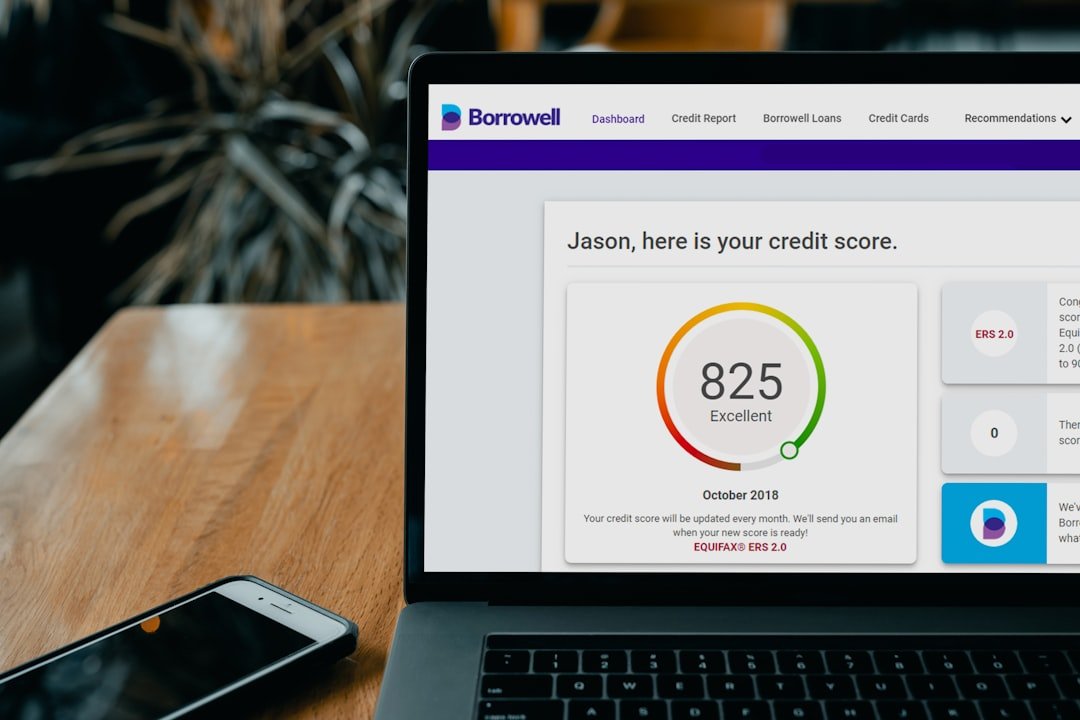

Quick answer: FICO scores use five categories: payment history (35%), amounts owed (30%), length of credit history (15%), new credit (10%), and credit mix (10%). On-time payments and low balances matter most.
Key Takeaways
- Payment history accounts for 35% of your FICO score and tracks every late payment for seven years under the Fair Credit Reporting Act (15 U.S.C. § 1681c).
- Credit utilization below 30% of your total limit helps your score; utilization above 50% typically lowers it.
- Opening multiple new accounts in a short window can drop your score 5 to 10 points per hard inquiry, according to FICO.
- Closing old accounts shortens your average account age and can reduce your total available credit, both of which may lower your score.
💳 How does payment history shape your FICO score?
Payment history carries the heaviest weight in the FICO formula. Every 30-day late payment, charge-off, or collection account can stay on your credit report for seven years under 15 U.S.C. § 1681c, the federal statute that governs credit reporting time limits. A single 30-day late mark can drop a score in the mid-700s by 60 to 110 points, according to FICO scoring simulations.
The damage shrinks over time. A late payment from three years ago hurts less than one from three months ago. If you miss a payment, catching up quickly limits the harm. Lenders typically report to the three major bureaus once a month, so a payment made before the next reporting cycle may not appear as late.
Bankruptcies and foreclosures also fall under payment history. Chapter 7 bankruptcy can remain for ten years under the same statute. Chapter 13 stays for seven years from the filing date. Both can drop a high score by 200 points or more initially, though the impact fades as the event ages.
📊 Why does credit utilization matter so much?
Credit utilization is your total revolving balance divided by your total revolving limit. FICO looks at both your overall ratio and the ratio on each individual card. Keeping utilization below 30% generally supports a higher score. Staying under 10% often correlates with scores above 800.
Utilization updates every time your card issuer reports your balance to the bureaus. Most issuers report your statement balance, not your current balance. If you charge $2,000 on a card with a $5,000 limit and pay it off before the due date but after the statement closes, the bureau may still see 40% utilization for that cycle.
Paying down balances before the statement date can lower reported utilization. Requesting a credit limit increase also lowers your ratio if you do not increase spending. Closing a card removes that limit from your denominator and can push your utilization higher across remaining accounts.
🔍 What role does length of credit history play?
FICO considers both the age of your oldest account and the average age of all accounts. Longer histories generally produce higher scores because they give lenders more data about your borrowing behavior. This category makes up 15% of your score.
Opening a new account lowers your average age immediately. If you have three accounts that are five years old and open a fourth, your average drops from five years to 3.75 years. The new account also adds a hard inquiry, which can subtract a few points under the new credit category.
Closed accounts continue to age on your report while open. Under the Fair Credit Reporting Act, positive closed accounts can stay on your report indefinitely, though most bureaus remove them after ten years. Keeping old cards open and using them occasionally helps maintain length of history, as long as the card issuer does not charge an annual fee you cannot justify.
⚠️ How do hard inquiries and new credit affect your score?
Every time you apply for a loan or credit card, the lender pulls your credit report and leaves a hard inquiry. FICO counts each inquiry as new credit activity. This category makes up 10% of your score. A single hard inquiry typically drops your score by fewer than five points, and the impact fades after twelve months.
FICO treats multiple inquiries for the same type of loan as a single inquiry if they occur within a 14-day window (some FICO versions extend this to 45 days). This window applies to auto loans, mortgages, and student loans, but not credit cards. You can rate-shop for a car loan or mortgage without triggering multiple score hits if you finish within two weeks.
Opening several new credit cards in a short period signals risk to the scoring model. Each new account lowers your average account age and may suggest financial stress. A hard inquiry remains on your report for two years, though it stops affecting your score after one year.
📝 Does credit mix really improve your score?
Credit mix refers to the variety of account types on your report: revolving credit (cards), installment loans (auto, personal, student), and mortgages. This category makes up 10% of your FICO score. A healthy mix can add a few points, but it is the least important of the five categories.
You do not need every type of account to score well. Someone with only credit cards and a mortgage can reach 800 if they pay on time and keep utilization low. Taking out a personal loan solely to improve mix rarely makes financial sense because the interest cost outweighs the marginal score benefit.
If you already have an installment loan and revolving credit, adding more accounts of the same type does not help mix. The model looks for evidence that you can manage different repayment structures. One installment loan and one or two credit cards typically suffice.
| FICO Category | Weight | Example Actions That Help |
|---|---|---|
| Payment History | 35% | Pay every bill on or before the due date |
| Amounts Owed | 30% | Keep credit card balances under 30% of limits |
| Length of History | 15% | Keep old accounts open and active |
| New Credit | 10% | Limit hard inquiries to genuine borrowing needs |
| Credit Mix | 10% | Maintain at least one installment and one revolving account |
❓ Frequently Asked Questions
How long does a late payment hurt my FICO score?
A late payment can remain on your credit report for seven years under 15 U.S.C. § 1681c, but its impact on your score decreases over time. Recent late payments hurt more than older ones.
Will closing a credit card lower my FICO score?
Closing a card reduces your total available credit and can raise your utilization ratio if you carry balances on other cards. It may also lower your average account age once the closed account eventually falls off your report.
Do all hard inquiries hurt my score equally?
FICO groups multiple inquiries for auto loans, mortgages, or student loans into a single inquiry if they occur within 14 to 45 days. Credit card inquiries are counted separately and can each lower your score by a few points.
Can paying off a loan early improve my FICO score?
Paying off an installment loan reduces your total debt and may help your amounts owed category, but it also closes an active account and can shorten your credit mix. The net effect is often neutral or slightly positive.
✅ The Bottom Line
Your FICO score reflects five measurable behaviors, with payment history and credit utilization driving two-thirds of the total. Paying bills on time and keeping revolving balances low will do more for your score than opening new accounts or closing old ones. Every point of score improvement comes from consistent habits over months and years, not quick fixes.
If you are planning to apply for credit, check your reports at the three major bureaus and dispute any errors before you submit an application. You can also use a loan calculator to estimate how different APRs will affect your monthly payment, since a higher score often qualifies you for lower rates.
BankMinistry is not a lender. Approval, rates, and terms determined by lending partners. Not financial advice.