
Quick answer: The CFPB announced reforms to its consumer complaint system on June 24, 2026, to improve accuracy and restore public trust. Personal loan borrowers filing disputes will see stricter verification and faster resolution timelines under the updated process.
Key Takeaways
- The CFPB complaint database receives over 700,000 submissions annually, making it the largest public consumer finance complaint registry in the United States
- Complaints flagged for identity verification may require supporting documents like loan agreements or account statements before publication
- Federal law under 12 U.S.C. § 5534 requires lenders to respond to CFPB complaints within 15 days of assignment
- The reformed system aims to reduce duplicate, fraudulent, or incomplete submissions while maintaining borrower access to dispute resolution
💳 Why is the CFPB changing its complaint process?
The Consumer Financial Protection Bureau published a notice on June 24, 2026, outlining corrections to the complaint intake system. The agency stated that recent audits identified patterns of duplicate filings, incomplete data, and submissions lacking verifiable consumer information. These flaws reduced the database’s usefulness for regulators and consumers comparing lenders.
The changes target three specific problems. First, the old system allowed anonymous or minimally verified complaints to appear in the public database alongside substantiated disputes. Second, some submissions included incomplete loan details or contradictory account information. Third, the 15-day lender response window under 12 U.S.C. § 5534 was not consistently enforced for certain complaint categories.
The CFPB emphasized that the reforms will not reduce borrower access to the complaint process. The updated intake form still accepts disputes about personal loans, credit cards, mortgages, debt collection, and credit reporting. The agency’s June 2026 announcement confirmed that the core submission portal at consumerfinance.gov/complaint remains open with no application fees or prerequisites.
🔍 How does the new verification process work?
Starting in mid-2026, complaints flagged by automated screening may require identity verification before appearing in the public Consumer Complaint Database. The CFPB notice specifies that borrowers must confirm their identity using government-issued ID, proof of address, or recent statements from the lender in question. This step applies only to submissions that trigger data-quality alerts, not to all complaints.
Once verified, the complaint is routed to the named lender. Federal law at 12 U.S.C. § 5534 requires the company to respond within 15 calendar days. The lender must describe what action it took or explain why it believes the complaint is inaccurate. Borrowers receive a copy of this response and can post a final rebuttal statement if they disagree.
The CFPB will publish verified complaints in the public database within 5 business days of lender response or the 15-day deadline, whichever comes first. Unverified or duplicate submissions will not appear publicly but remain in the agency’s internal system for enforcement analysis. This two-tier approach aims to balance transparency with data integrity.
📊 What types of personal loan complaints does the CFPB track?
The Consumer Complaint Database categorizes personal loan disputes into seven main issue types. Understanding these categories helps borrowers file complaints that regulators can act on quickly.
| Issue Type | Example Scenario | CFPB Authority |
|---|---|---|
| Disclosure violations | Lender did not provide APR or fee schedule before closing | Truth in Lending Act 15 U.S.C. § 1601 |
| Unauthorized charges | Payment withdrawn after loan paid in full | Electronic Fund Transfer Act 15 U.S.C. § 1693 |
| Incorrect credit reporting | Paid-off loan still showing balance on credit report | Fair Credit Reporting Act 15 U.S.C. § 1681 |
| Debt collection abuse | Third-party collector calls borrower’s workplace after being told to stop | Fair Debt Collection Practices Act 15 U.S.C. § 1692 |
| Loan servicing errors | Payments misapplied or lost by servicer | 12 C.F.R. § 1024 (RESPA for mortgage servicers) |
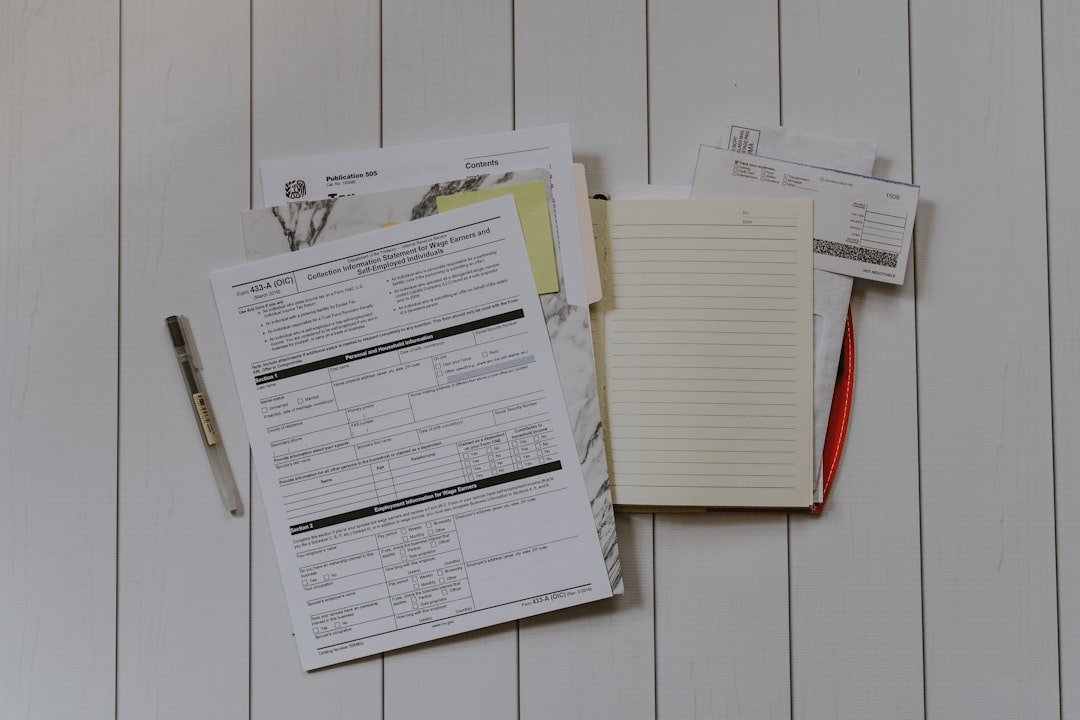
Each complaint type requires different supporting documents. For disclosure violations, attach the original loan agreement and any pre-closing paperwork. For unauthorized charges, include bank statements showing the disputed transaction. For credit report errors, submit a copy of your credit report with the incorrect entry highlighted. The more specific your documentation, the faster the CFPB can assign the complaint to the correct regulatory team.
⚠️ What should borrowers do before filing a CFPB complaint?
Federal regulators recommend exhausting the lender’s internal dispute process before escalating to the CFPB. Most banks and online lenders have a customer service escalation path that can resolve billing errors or account disputes within 30 days. The Truth in Lending Act at 15 U.S.C. § 1666 requires creditors to investigate billing disputes within two billing cycles.
If the lender does not resolve the issue or you receive an unsatisfactory response, gather these documents before submitting a CFPB complaint:
- Your loan agreement or promissory note with the lender’s name and your account number
- Copies of all correspondence with the lender, including emails and letters
- Bank statements or payment confirmations showing disputed transactions
- Credit reports from Equifax, Experian, or TransUnion if the dispute involves reporting errors
- A timeline of events written in plain language, noting dates and the names of customer service representatives you spoke with
The CFPB complaint form at consumerfinance.gov/complaint allows file uploads up to 15 MB total. PDF scans of documents work best. Do not include Social Security numbers, bank account numbers, or credit card numbers in uploaded files unless the form specifically requests them in a secure field. The complaint narrative should be under 2,000 characters and focus on what happened, what you asked the lender to do, and why their response was insufficient.
After submission, you will receive a confirmation number and email. Most lenders respond within 10 to 15 days. The CFPB does not act as a mediator or award damages, but a pattern of similar complaints about one lender can trigger an enforcement investigation. You can check your complaint status anytime by logging into your account at consumerfinance.gov.
For disputes about state-licensed lenders, consider also filing with your state’s Department of Financial Institutions or Attorney General. Some states have faster resolution timelines or additional consumer protections beyond federal law. For example, California Financial Code § 22750 requires certain finance lenders to respond to state complaints within 10 business days. Running both a CFPB and state complaint in parallel can speed up resolution.
If you need help understanding your loan terms or calculating what you are owed, visit our APR calculator to see the true cost of your loan, or check our glossary for plain-language definitions of lending terms.
❓ Frequently Asked Questions
Does filing a CFPB complaint hurt my credit score?
No. Submitting a complaint to the CFPB does not appear on your credit report and does not affect your FICO or VantageScore. Only the underlying loan account and payment history show up on credit reports.
Can a lender retaliate against me for filing a CFPB complaint?
Federal law at 12 U.S.C. § 5536 prohibits lenders from retaliating against consumers who file complaints with the CFPB. Retaliation includes closing your account, increasing your interest rate solely because you complained, or reporting false information to credit bureaus.
How long does the CFPB keep complaint records?
The CFPB publishes verified complaints in the public database for at least five years. Internal records may remain in the agency’s enforcement files indefinitely and can be used as evidence in future investigations or lawsuits.
What happens if my lender ignores a CFPB complaint?
Companies that fail to respond within 15 days under 12 U.S.C. § 5534 face potential enforcement action. The CFPB can issue civil penalties, require refunds to consumers, or refer the lender to the Department of Justice for prosecution in severe cases.
✅ The Bottom Line
The CFPB’s June 2026 complaint system reforms add verification steps to improve data quality, but the core submission process remains free and accessible at consumerfinance.gov/complaint. Borrowers with personal loan disputes should gather loan documents, attempt resolution with the lender first, then file a detailed complaint if the issue persists. Federal law requires lenders to respond within 15 days, and verified complaints become part of the permanent public record.
If you are comparing personal loan options or need to understand your current loan terms before filing a complaint, start with our personal loan guide to see what protections apply to your situation. Use our loan calculator to verify that your lender charged the correct interest and fees.
BankMinistry is not a lender. Approval, rates, and terms determined by lending partners. Not financial advice.